

“WHY BUILDINGS MUST BE ANALYZED FOR SEISMIC RESISTANCE”
Assoc. Professor Dr. Ir. H. Ayuddin, S.T., M.T., IPU., ASEAN Eng., ACPE., APEC Eng (CEO of Structural Consultant Ayuddin/SCA)
Analysis is crucial before beginning any construction work. Structural analysis provides essential details such as foundation dimensions, column and beam sizes, and reinforcement specifications sufficient to support the loads acting on the structure. In addition, constructing any building requires several supporting documents, including plans, elevations, and detailed drawings of each structural element.
The essence of structural analysis is the process of determining the loads that a structure can safely carry without experiencing failure. The most important aspect of structural analysis is ensuring that the structural strength is assessed before construction, prioritizing life safety. This means that the resulting structure should be able to deform appropriately without collapsing. Equally important is performing accurate and rigorous analysis, taking into account critical lateral loads such as unexpected earthquakes and strong winds that may act on the building suddenly. Based on these calculations, a cost-effective, efficient, and robust structural design can be achieved.
Buildings that are not properly analyzed structurally can result in significant losses, producing inefficient constructions that incur very high costs. Therefore, it is essential to conduct rigorous structural analysis before construction begins. Structural analysis is the key to understanding how a structure behaves under applied load combinations. It also allows engineers to determine the maximum loads a structure can safely carry, ensuring that the building is strong, stable, and resistant to collapse. Additionally, proper analysis guarantees that displacement and deformation remain within permissible limits.
In structural analysis, the terms linear and nonlinear analysis are commonly used. Generally, structures are analyzed using linear analysis for ordinary loads. However, when extraordinary loads occur such as earthquake loads nonlinear analysis must be considered.
If a structure is designed to remain within the linear range even under extraordinary loads, its stiffness must be increased, which can lead to higher construction costs. Careful attention is required when interpreting the results of linear analysis under such conditions.
In contrast, nonlinear analysis accounts for potential structural failure, capturing the behavior of the structure beyond the elastic range. Linear analysis, on the other hand, provides the forces resulting from applied loads without indicating failure. Therefore, analysts must carefully and thoroughly evaluate the results to ensure accurate understanding of the structural performance.
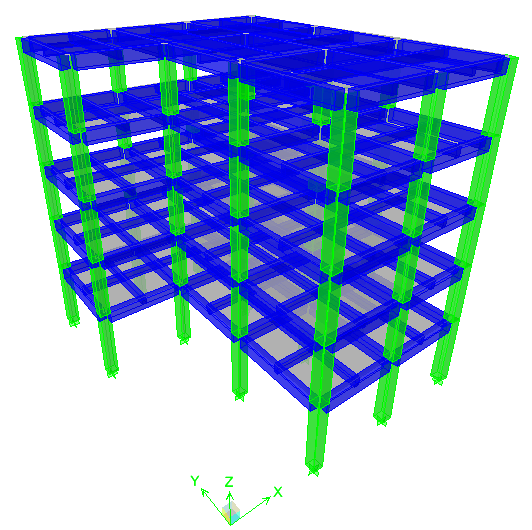
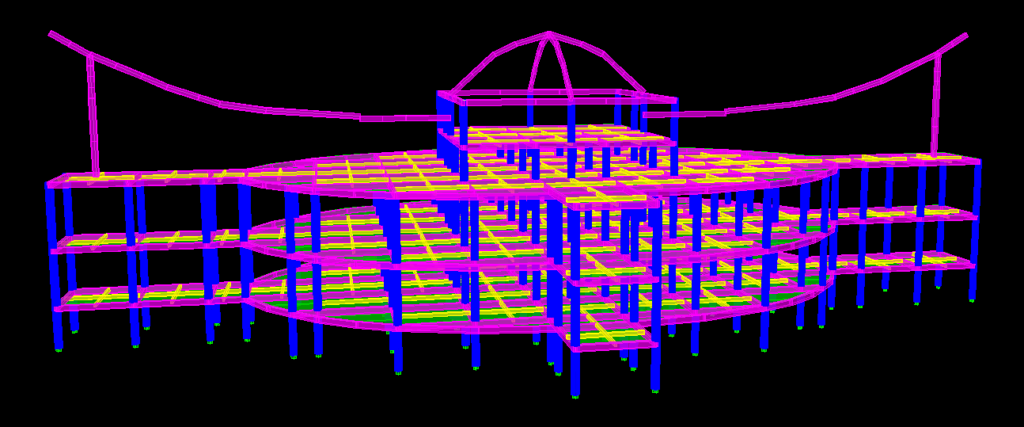
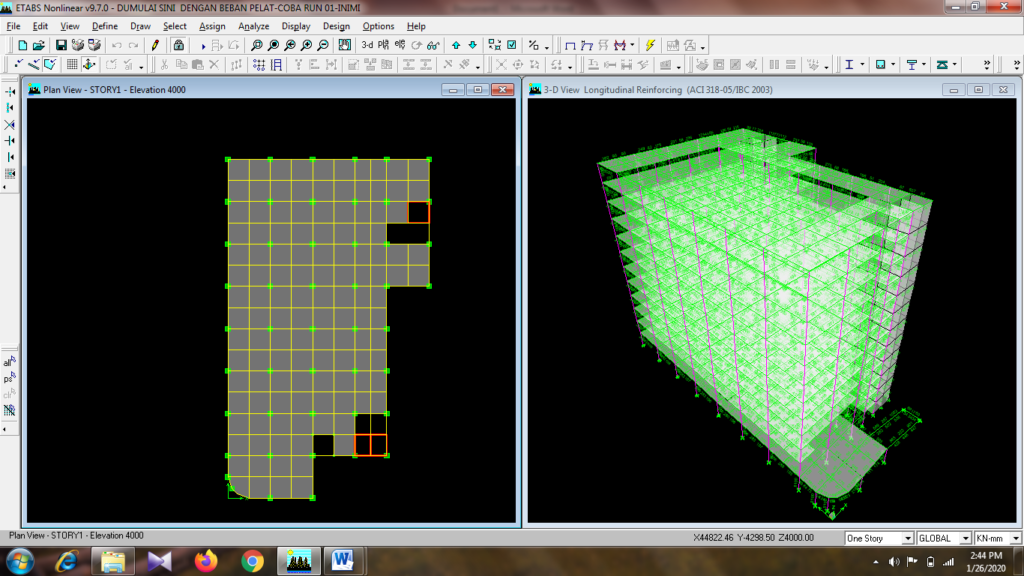
In structural analysis, specialized software is required because manual calculations cannot be performed as carefully or thoroughly. Commonly used software includes SAP2000, ETABS, STAAD.Pro, MIDAS, and other programs that have been tested and are widely recognized in the engineering industry. (Structural Consultant Ayuddin/SCA).
CONGRATULATIONS ON DESIGNING AND ANALYZING A BUILDING TO ACHIEVE A STRONG STRUCTURE AND COST-EFFECTIVE CONSTRUCTION.



Hi, this is a comment.
To get started with moderating, editing, and deleting comments, please visit the Comments screen in the dashboard.
Commenter avatars come from Gravatar.