
SCA PROJECTS
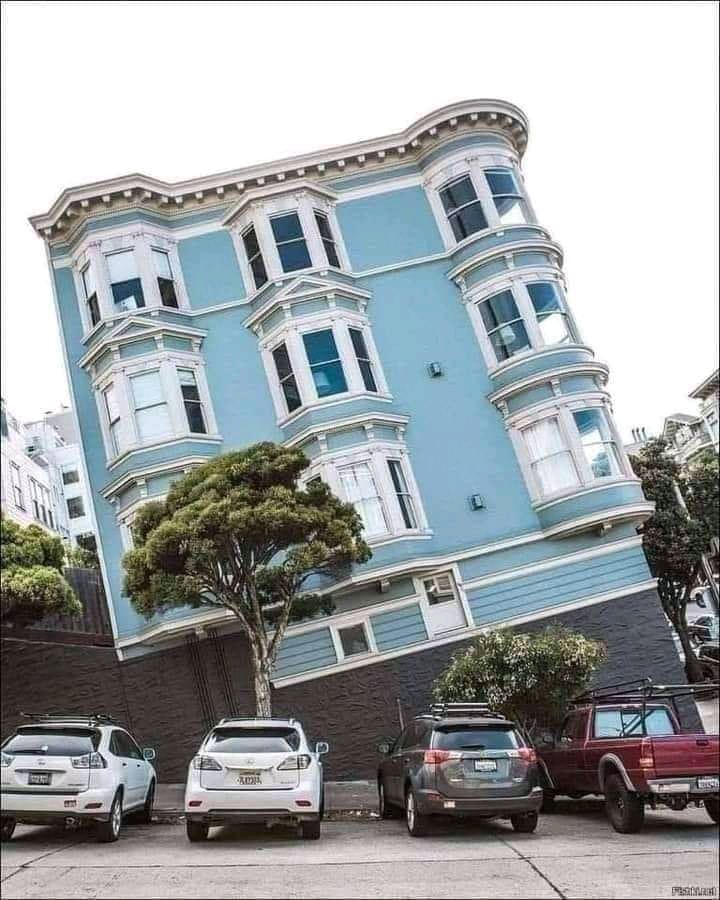
“A leaning building does not necessarily mean it is structurally weak. Precision and accuracy in analysis are essential to maintaining its stability.”
* DESIGN MODEL OF DUBAI STATE MOSQUE
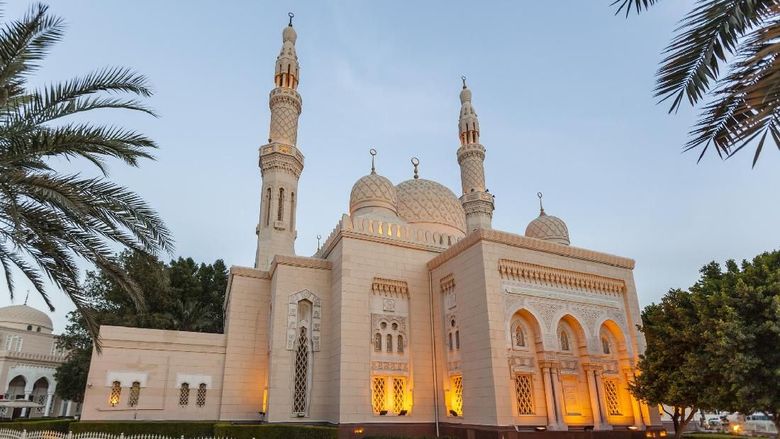
Jumeirah Grand Mosque (Thinkstock)
As a certified APEC Engineer and structural analyst, I am grateful for the trust given to me to serve as one of the structural analysts for the Dubai Mosque. One of the previous projects I have analyzed is the Subulussalam Al-Khoory Mosque. The analysis of this mosque was carried out using ETABS software in combination with other structural software. The following shows the structural model.
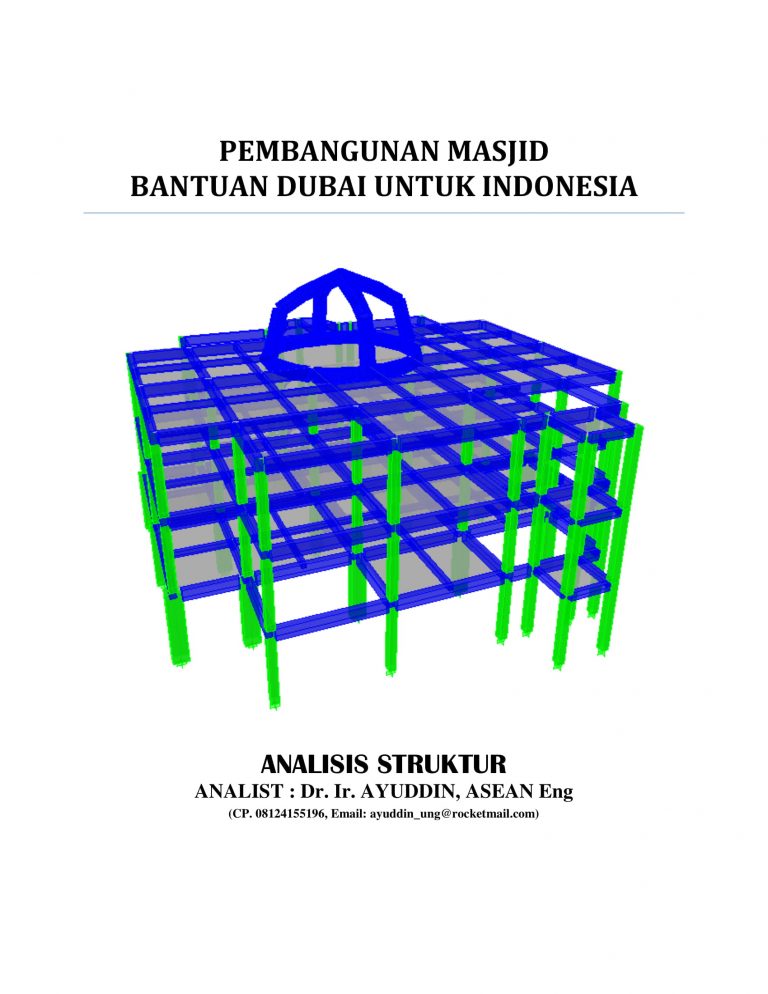
These are the results of the Dubai Mosque structural analysis based on the ETABS model that has been utilized.
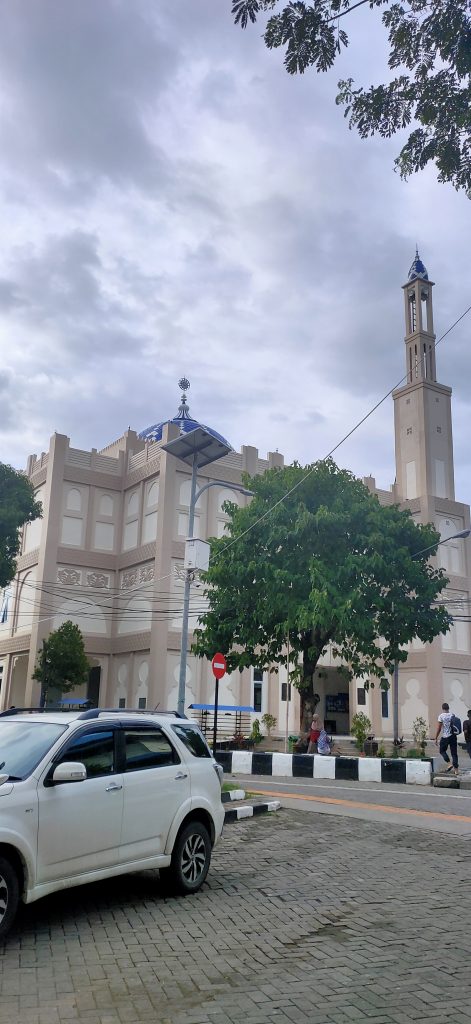
“DESIGN MODEL OF AN INDONESIAN MOSQUE“
MODERN MOSQUE DESIGN WITH OPTIMIZED LAND USE AND STRUCTURAL STRENGTH ANALYSIS
The utilization of limited space for building construction requires high levels of innovative thinking to achieve functional, aesthetic, and sustainable values. A building is not only perceived as a physical form but also as an expression of its identity, values, and functional requirements.
The design of a building, such as a mosque, must take into account its primary function. It should provide comfort for worship, ensure efficient use of space for worship or other activities, and offer broad accessibility throughout the building based on the spatial requirements. A good and professional design accommodates the needs of its users while maintaining a high level of aesthetic quality.
In conceptualizing a building design and analyzing its structural strength, the process serves to reveal the identity and values of the owner, as well as the benefits of the designed building. Another important consideration is the building form, taking into account the design models of different countries. Additionally, the choice of colors, textures, and building materials contributes to a unique architectural model and reflects the character of the building design.
Consequently, modern building design also considers sustainable values, the use of environmentally friendly materials, designs that maximize natural light, and efficient energy management systems.
The concept of modern design is crucial for creating a building with high aesthetic value. It integrates the latest technologies and innovations, such as the use of strong yet lightweight materials, while also managing lighting, temperature, occupant safety, and accessibility to create a comfortable environment that meets functional requirements.